Email vs. SMS marketing for small businesses: which channel actually gets opened in 2026.
What email and SMS are each genuinely good at, the compliance rules that make texting riskier to get wrong, and how to combine both instead of picking just one.
PinexaDigital
September 11, 2026

SMS gets opened faster, usually within minutes, and email costs less to send and supports far more content, so the honest answer isn't "pick one," it's matching each channel to the kind of message it's actually built for. Businesses that default to one channel for everything are either annoying customers with urgent-feeling texts about a newsletter, or burying a time-sensitive appointment reminder in an inbox nobody checks in real time.
What email does better
- ▸Cost per contact is dramatically lower, and most platforms let you send to a large list without a per-message fee
- ▸No practical length limit, so you can actually explain an offer, share a guide, or tell a story
- ▸Easier segmentation and automation sequences built around behavior, not just a single blast
- ▸Lower intrusion for anything that isn't genuinely time-sensitive, a monthly update or a long-form offer belongs here, not in a text
What SMS does better
Text messages get seen almost immediately, which makes SMS the right channel specifically for time-sensitive, short messages: an appointment reminder, a "your table is ready" alert, or the missed-call and no-show recovery automation worth building for any appointment-based business. Using it for anything longer or less urgent burns through goodwill fast, since a text feels more personal and more interruptive than an email by default.
The compliance basics you can't skip
Email marketing is governed by CAN-SPAM: no misleading subject lines, a real physical address in every message, and a working unsubscribe link honored within 10 business days. SMS carries real financial risk if you get it wrong, TCPA requires prior express written consent before you text anyone for marketing purposes, and violations can carry statutory damages of $500 to $1,500 per message in a private lawsuit. Never add a phone number to a texting list just because someone gave it to you on a contact form, consent for one channel isn't automatic consent for the other.
Combining both instead of picking one
The highest-performing setups use email for nurture content and longer offers, and reserve SMS for a short list of genuinely time-critical triggers, an appointment confirmation, a shipping update, a same-day reminder. Both channels should plug into the same automation layer so a lead doesn't fall through a gap between them, which is the same workflow logic covered in our automation platform comparison.
Get explicit, documented opt-in before texting anyone for marketing purposes. Unlike email, a TCPA violation isn't just an annoyed unsubscribe, it's real statutory liability per message sent without consent.
Neither channel replaces the other, and the businesses that get the most out of both are the ones that match the message to the channel instead of defaulting to whichever tool they set up first. If you want both wired into your CRM so leads get the right message on the right channel automatically, tell us what you're trying to automate and we'll scope the workflow, not just the tool.
More articles

E-commerce holiday readiness checklist: what to fix on your site before Black Friday.
Google Ads vs. SEO: where should a small business put its first marketing dollar in 2026?

Web design for law firms: what actually builds trust and converts visitors into consultations.

Web design for restaurants: the pages and features that actually drive reservations and orders.
PinexaDigital
Web design and SEO agency helping US businesses grow online. We write about web design, SEO, e-commerce, and digital growth for business owners who want honest, actionable information.
Keep reading
Related articles.
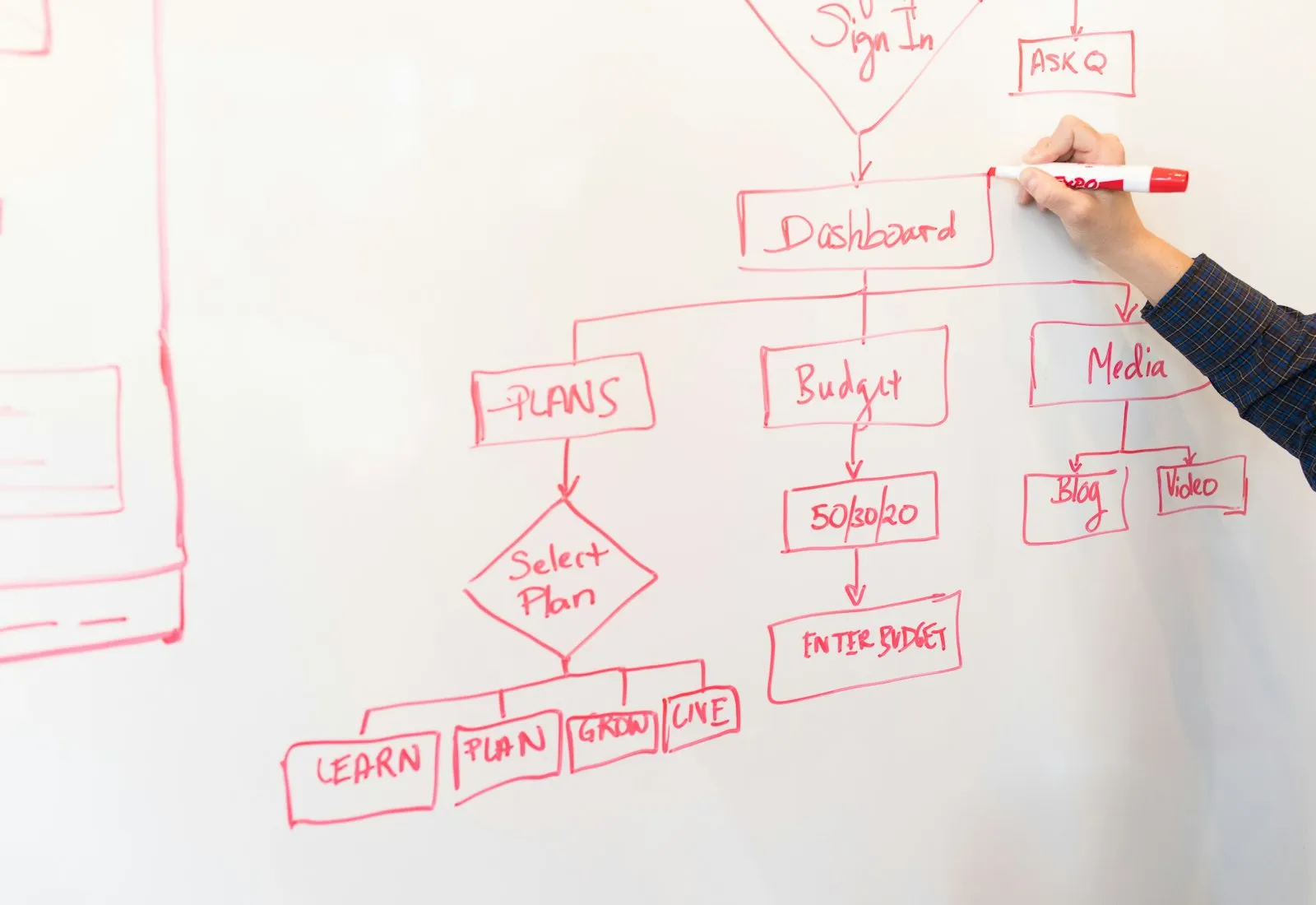
n8n vs. Zapier vs. Make: which automation tool is right for your small business?
A real pricing and capability comparison of n8n, Zapier, and Make for small business CRM automation, and how to pick without overpaying or overbuilding.
July 19, 2026

CRM automation for small businesses: how to stop leads slipping through the cracks.
A practical guide to CRM automation for US small businesses: which workflows to automate first, which tools to use, and what it realistically costs.
July 12, 2026
E-commerce holiday readiness checklist: what to fix on your site before Black Friday.
Most holiday traffic failures come from the same handful of preventable issues: slow checkout, broken mobile cart flows, and unclear shipping cutoffs. A pre-launch checklist that covers them.
October 1, 2026