Web design for restaurants: the pages and features that actually drive reservations and orders.
What a restaurant website actually needs to work for hungry, impatient visitors: a real menu, online ordering, reservations, and mobile speed that doesn't lose the sale.
PinexaDigital
September 16, 2026
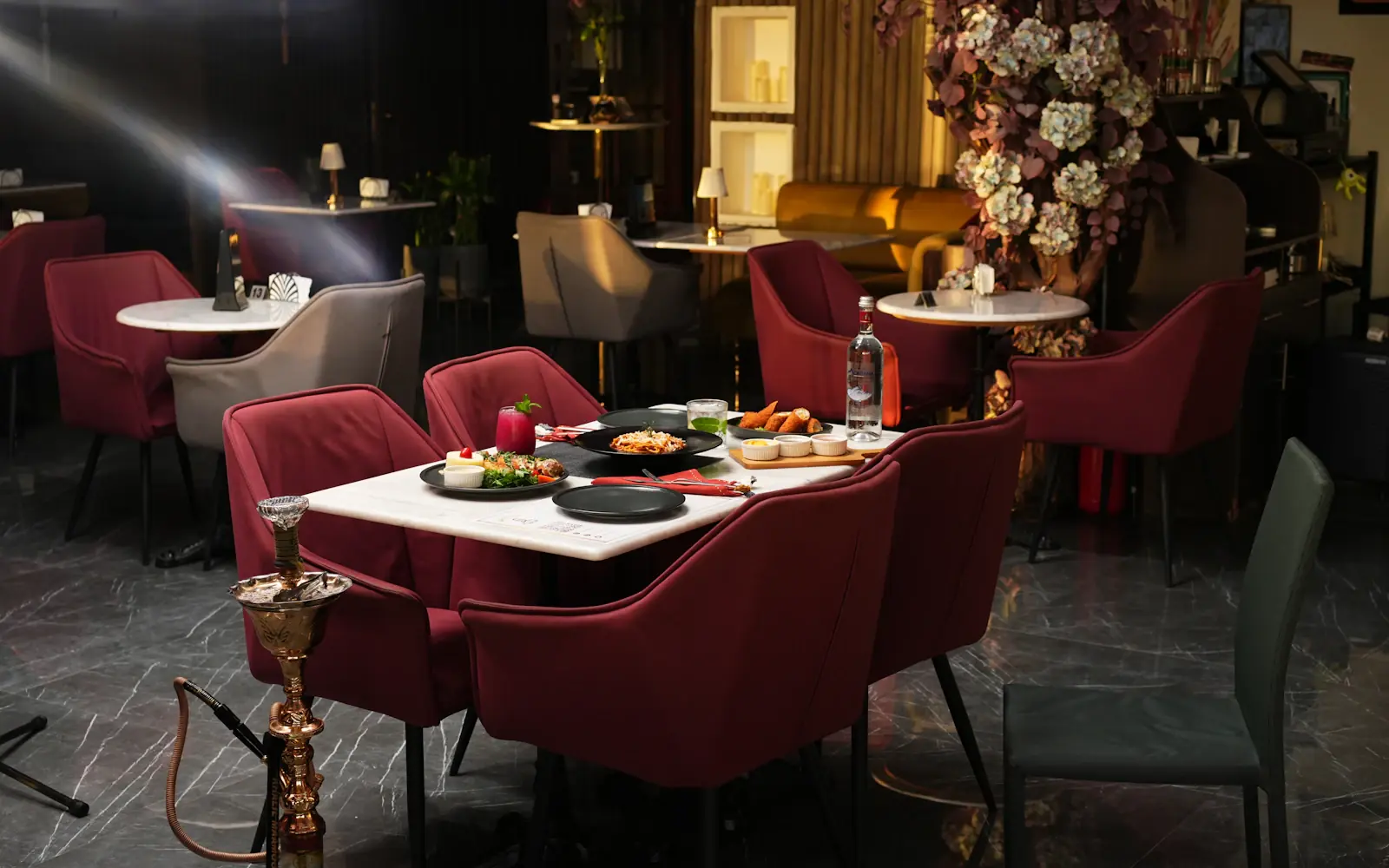
Most restaurant website visitors want one of three things within seconds of landing: today's hours, the menu, or a way to order or reserve a table. If any of those takes more than a couple of taps, most people back out and call, use a delivery app, or pick the competitor whose site was faster. A restaurant site isn't a brand showcase first, it's a utility for someone who's already decided to eat and is deciding where.
The non-negotiable pages and features
- ▸Hours and location visible on every page, not buried in a footer, including a clear note when holiday hours differ from the norm
- ▸A real, on-page menu with prices, not a PDF link that's slow to open and impossible to search on mobile
- ▸Online ordering, either embedded directly or linked clearly, with no confusion about which button to tap
- ▸A reservation widget or clear booking link, not just a phone number for people who'd rather not call
- ▸Genuine mobile-first speed, since most "restaurants near me" searches happen on a phone, the same performance fundamentals that apply everywhere else matter even more here
Why a PDF menu is a conversion killer
A PDF menu loads slowly on mobile data, can't be skimmed without pinching and zooming, and is invisible to Google, it can't feed rich snippets, can't be indexed item by item, and gives crawlers nothing to work with. An HTML menu built with proper structured data lets Google (and increasingly AI search assistants) surface specific dishes, prices, and dietary info directly in search results, something a PDF simply cannot do.
Local SEO matters more for restaurants than almost any other business
Restaurant searches are overwhelmingly local and immediate, "best tacos near me," "open now," "dinner reservations tonight." That makes Google Business Profile accuracy and local citations disproportionately important compared to broader, less time-sensitive industries. Keep your hours, menu highlights, and photos on your GBP listing in sync with your actual website, any mismatch is exactly the kind of thing that makes a hungry visitor pick a different result.
Online ordering: build vs. third-party platform
- ▸Third-party platforms (DoorDash, UberEats, Grubhub): fastest to launch and already have built-in customer traffic, but typically take 15-30% commission per order and put the customer relationship in the platform's hands, not yours
- ▸Direct ordering built into your own site: no per-order commission once it's built, you own the customer data and repeat-order relationship, but requires a real upfront build and your own marketing to drive traffic to it
- ▸Most restaurants end up running both, using third-party platforms for discovery and a direct ordering system to retain the customers once they know you
Review your posted hours and holiday closures on both your website and Google Business Profile at least monthly. Nothing drives a hungry customer to a competitor faster than showing up to a restaurant that's listed as open but isn't.
A restaurant website succeeds or fails on speed and clarity, not visual flourish, someone deciding between you and the place next door isn't browsing, they're checking a short list of facts and acting on the first site that answers them cleanly. If your site is still running a PDF menu or taking too long to load on a phone, tell us what you're working with and we'll tell you honestly what's actually costing you reservations.
More articles

E-commerce holiday readiness checklist: what to fix on your site before Black Friday.
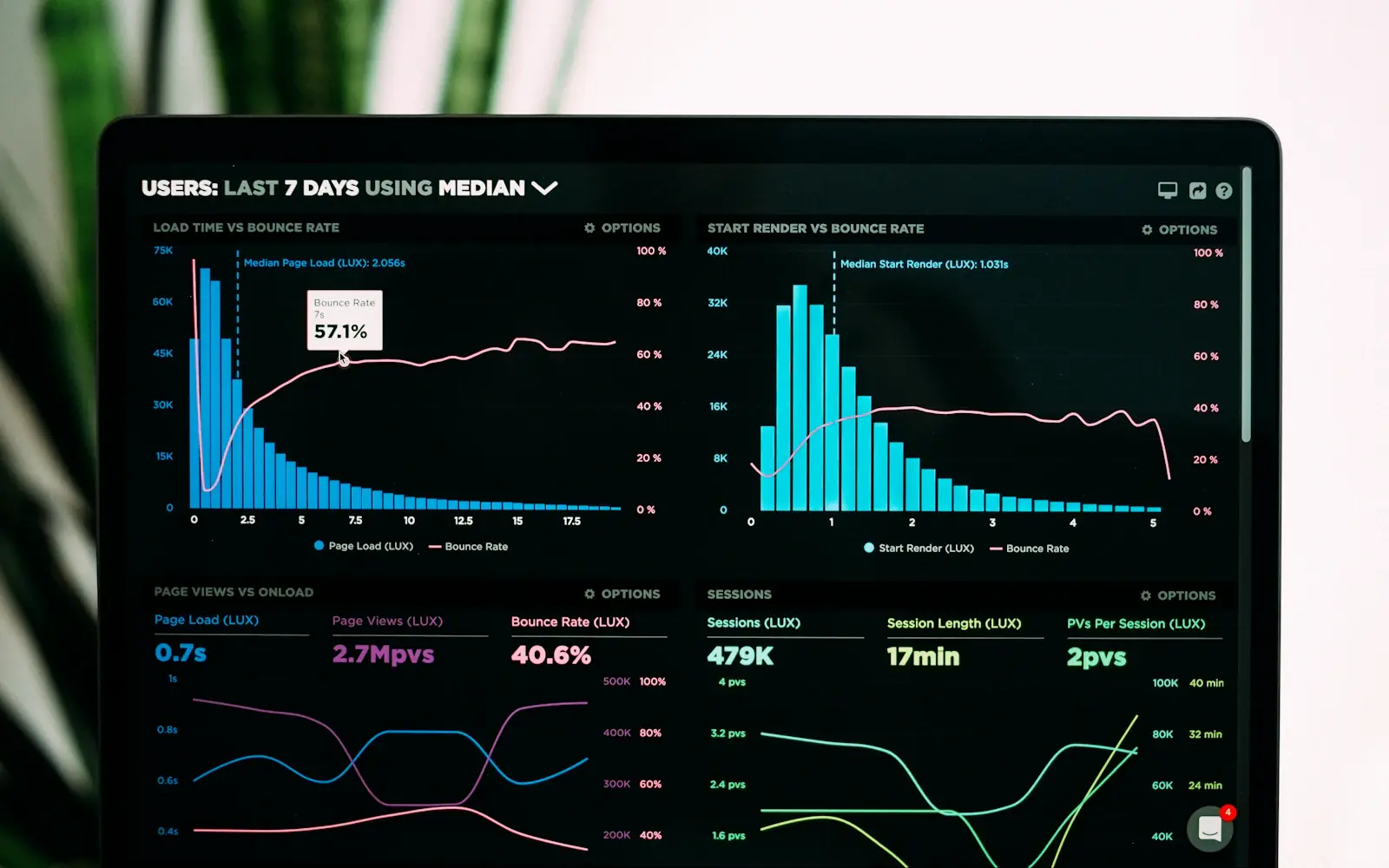
Google Ads vs. SEO: where should a small business put its first marketing dollar in 2026?

Web design for law firms: what actually builds trust and converts visitors into consultations.

Email vs. SMS marketing for small businesses: which channel actually gets opened in 2026.
PinexaDigital
Web design and SEO agency helping US businesses grow online. We write about web design, SEO, e-commerce, and digital growth for business owners who want honest, actionable information.
Keep reading
Related articles.
Web design for law firms: what actually builds trust and converts visitors into consultations.
Law firm website visitors are deciding who to trust during a stressful, high-stakes moment. What actually earns that trust in the first few seconds, and what advertising rules you can't ignore.
September 21, 2026
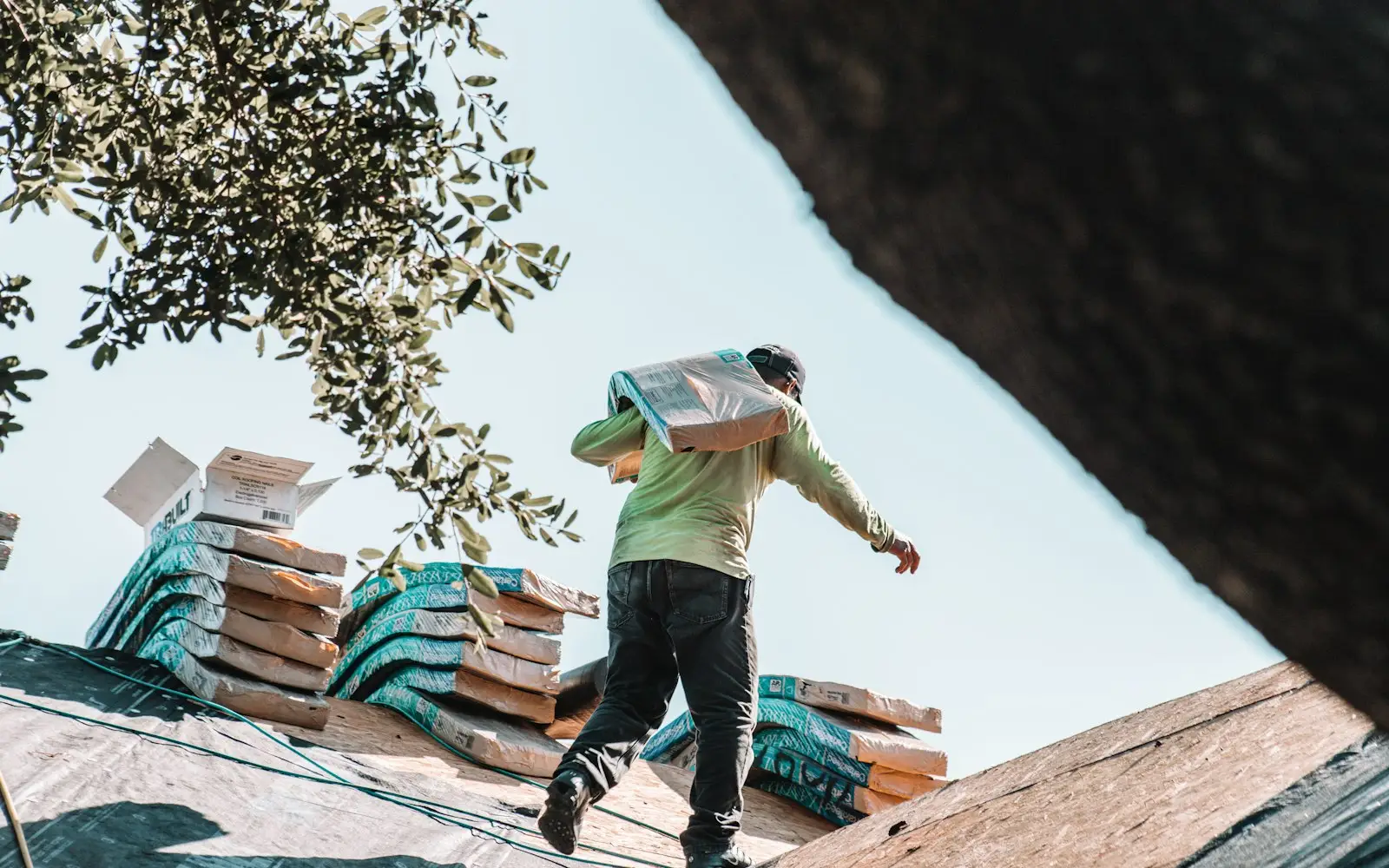
Web design for roofing companies: what actually turns storm leads into signed jobs.
Why a roofing company's website needs to work differently than most local business sites: instant estimate forms, storm-response readiness, financing CTAs, and beating lead-gen aggregators in the map pack.
August 24, 2026
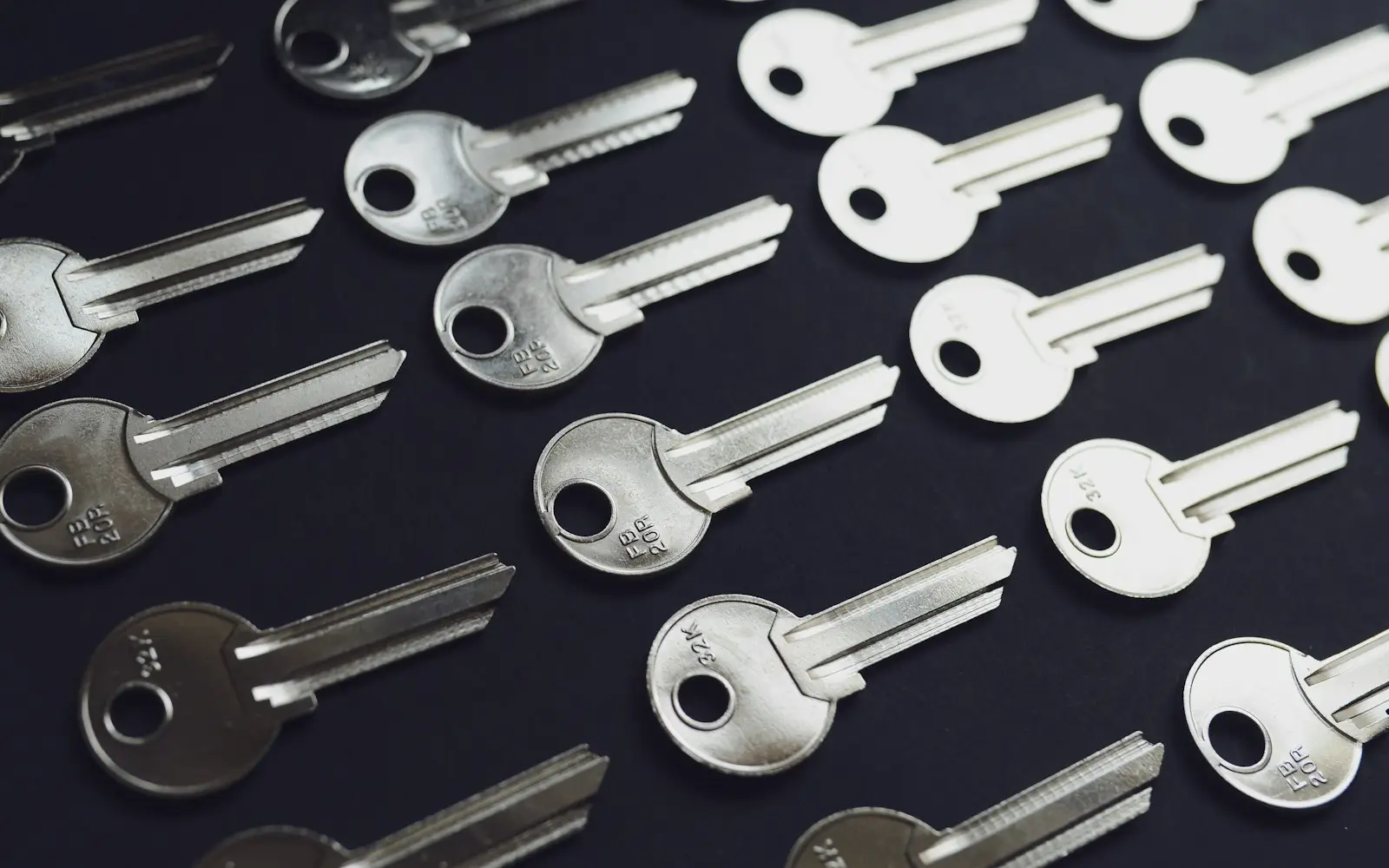
Web design for locksmiths: how to look like the real business instead of the scam listing.
Why locksmith websites have to prove legitimacy in seconds, the fake-listing problem unique to this trade, and what actually builds trust with someone locked out right now.
August 24, 2026