Web design for locksmiths: how to look like the real business instead of the scam listing.
Why locksmith websites have to prove legitimacy in seconds, the fake-listing problem unique to this trade, and what actually builds trust with someone locked out right now.
PinexaDigital
August 24, 2026
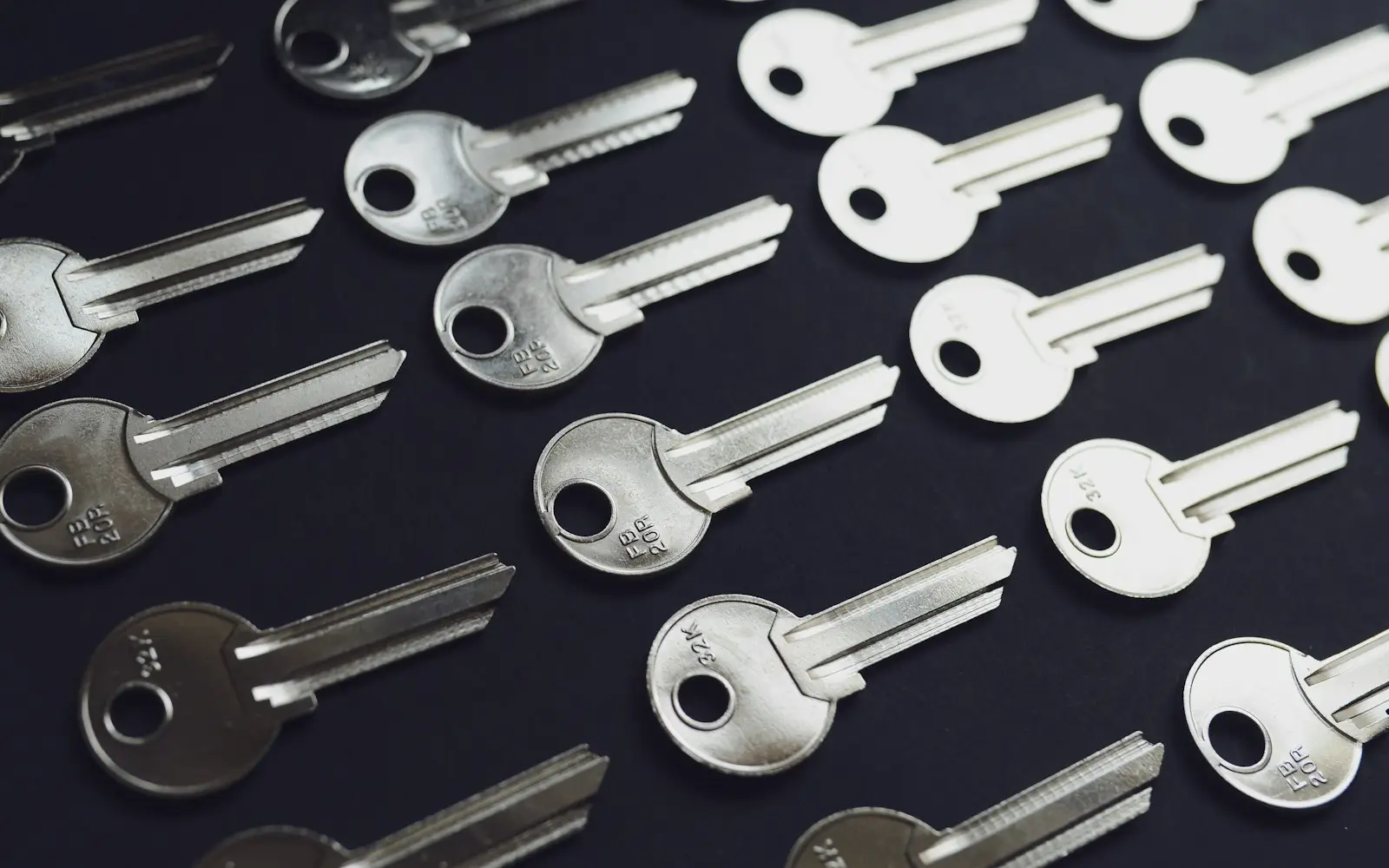
Locksmiths have a problem almost no other local trade deals with at this scale: a large share of the "local locksmiths" showing up in search results and directories aren't local at all. They're call centers running dozens of fake listings with local-sounding addresses, dispatching whoever will take the job and often quoting one price on the phone and a much higher one on arrival. A real, licensed locksmith's website has one job the fake listings can't fake: prove in seconds that you're an actual, accountable business, not the next bait-and-switch call in someone's search results.
The problem specific to this trade: fake local listings
Consumer protection agencies and the FTC have documented this pattern for years: lead-generation operations create hundreds of listings with local phone numbers and addresses that don't correspond to a real, staffed location, then route every call to a dispatch center that sends out whoever's available, sometimes with no real locksmith training at all. Someone locked out at midnight rarely has the patience to verify a business before calling, which is exactly what these operations count on. This means a real locksmith isn't just competing on price or speed, they're competing against a fundamental trust problem baked into the entire category.
What actually signals "this is a real, local locksmith"
- ▸A real street address displayed plainly, not just a service area, a virtual office or PO box is exactly what the fake listings use
- ▸Named technicians with photos, not an anonymous "our team" page, a face attached to the business is a trust signal a call center can't replicate
- ▸Your license or bond number stated clearly if your state requires one, and a note if your state doesn't, so visitors aren't left wondering
- ▸Upfront pricing ranges for common jobs (lockout, rekey, lock installation) instead of "call for a quote," which is the exact phrase fake listings hide behind
- ▸Reviews that mention specific jobs, vehicles, or neighborhoods, generic five-star reviews with no detail are a pattern fake operations also use, so specificity is what separates yours
- ▸A local phone number matching your actual area code, not a toll-free number that could be routing anywhere
Instant-need design: what has to work above the fold
- ▸A sticky, thumb-reachable click-to-call button on mobile, since most lockout searches happen on a phone in someone's hand, not at a desk
- ▸A stated average response time for your actual service area ("15 to 20 minutes in downtown [city]"), specific enough to sound real because it is
- ▸A visible 24/7 badge only if it's true, and a clear stated hours block if it isn't, false availability claims are one of the fastest ways to lose a first-time caller's trust once they find out
- ▸One clear next step, call or a short lockout request form, not a menu of five services competing for attention when someone just needs a door open
Local SEO for locksmiths: harder than for most trades
Google has spent real effort cracking down on the exact spam pattern locksmiths deal with, mass fake listings clustered around lockout and emergency searches, and legitimate businesses sometimes get caught in the same aggressive filtering. This makes the fundamentals in our local SEO guide matter even more for locksmiths specifically: a genuinely verified Google Business Profile at your real address, consistent NAP across every citation, and reviews that read like they came from real jobs, not a template. A thin or inconsistent profile is more likely to get flagged in this category than almost any other local trade.
If you operate from a real storefront, lean into it harder than a typical local business would. A verifiable physical location is one of the few advantages a legitimate locksmith has that a fake listing structurally cannot fake.
What it realistically costs
A locksmith site doesn't need to be complex to do its job well, it needs the trust signals above built in from the start. Our Starter package ($299, 5 pages) covers a focused site with the address, licensing, pricing transparency, and click-to-call design this trade needs. See the full pricing breakdown for how that compares to a freelancer build or a DIY builder, neither of which typically include the local SEO setup that matters most here.
Common mistakes
- ▸No physical address anywhere on the site, which makes a legitimate business look identical to the fake listings it's competing against
- ▸"Call for pricing" on every single service, the exact phrase that trains visitors to assume the worst
- ▸Stock photography of generic keys or locks instead of real technicians and real vehicles
- ▸A contact form as the only option on a lockout page, when the visitor standing outside their door wants to tap a phone number, not type
Related trades we build for
- ▸Roofing companies face a similar urgency spike, just seasonal and storm-driven instead of constant
- ▸Plumbing companies share the same after-hours, decide-in-seconds buying pattern
- ▸HVAC companies deal with the same trust-building challenge during a genuine emergency
A locksmith website's real competition usually isn't the shop down the street, it's a fake listing designed to look exactly like a shop down the street. If you want a site built to prove you're the real one, tell us about your service area and we'll build it around the trust signals that actually matter in this trade.
More articles

How Long Does SEO Take to Work? A Realistic Timeline for Small Businesses

Technical SEO Checklist: 15 Issues Quietly Capping Your Rankings

How Much Does SEO Cost for a Small Business in 2026? (Real Pricing Guide)

Web design for roofing companies: what actually turns storm leads into signed jobs.
PinexaDigital
Web design and SEO agency helping US businesses grow online. We write about web design, SEO, e-commerce, and digital growth for business owners who want honest, actionable information.
Keep reading
Related articles.
Web design for roofing companies: what actually turns storm leads into signed jobs.
Why a roofing company's website needs to work differently than most local business sites: instant estimate forms, storm-response readiness, financing CTAs, and beating lead-gen aggregators in the map pack.
August 24, 2026
Web design for HVAC companies: building a site that works in a heatwave and in the off-season.
Why HVAC websites have to serve two completely different buyers at once, emergency repair customers and maintenance-plan subscribers, and what each one needs to see.
August 24, 2026
Web design for plumbing companies: what actually converts a burst-pipe search at 11pm.
Why plumbing websites live or die on message match and first-click clarity, and the specific pages, pricing signals, and local SEO tactics that turn an emergency search into a booked job.
August 24, 2026