Web design for HVAC companies: building a site that works in a heatwave and in the off-season.
Why HVAC websites have to serve two completely different buyers at once, emergency repair customers and maintenance-plan subscribers, and what each one needs to see.
PinexaDigital
August 24, 2026
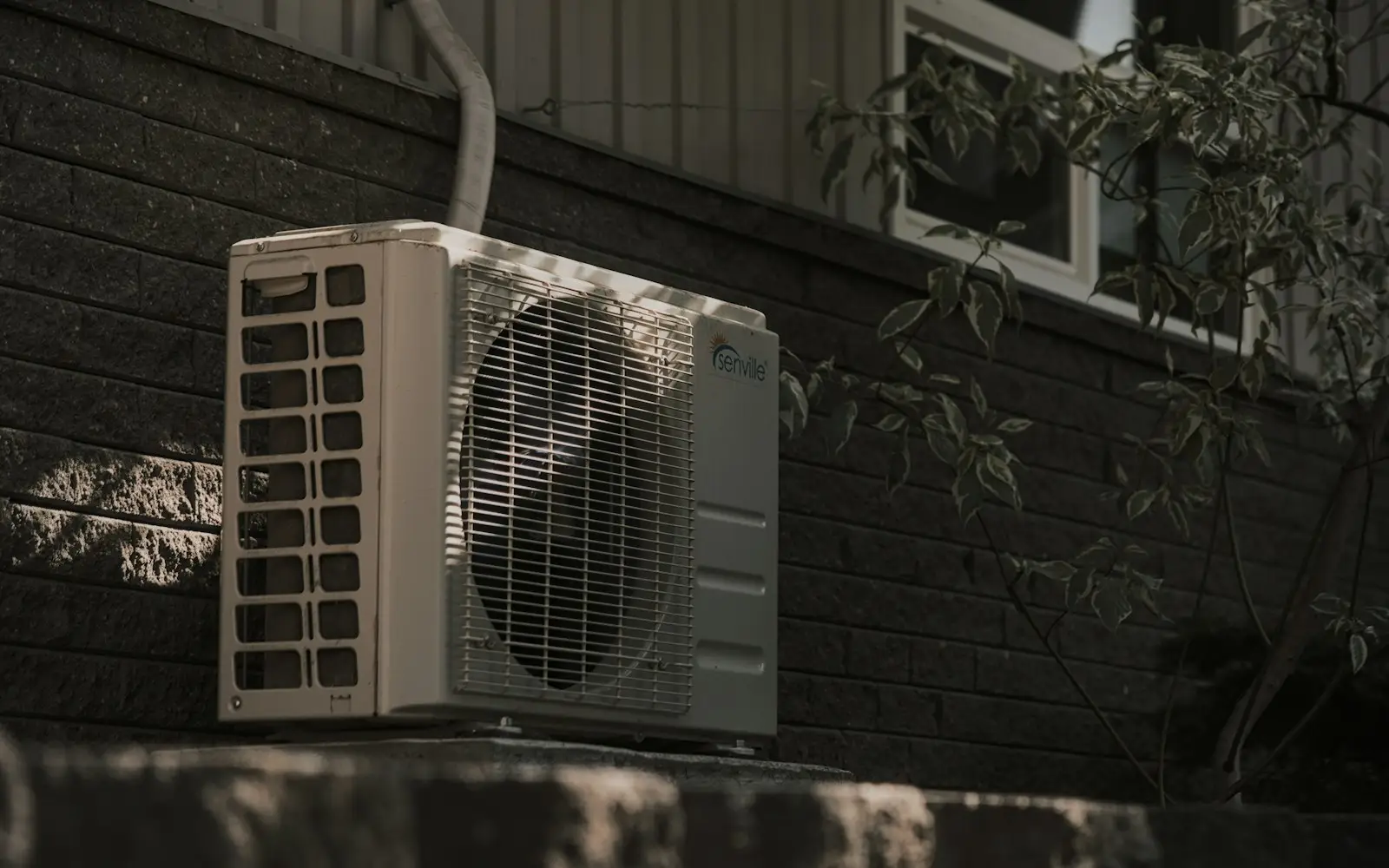
An HVAC company's website has to be two different sites depending on the week. In July, it needs to convert someone whose AC just died at 95 degrees, in October, it needs to sell a maintenance plan to someone who isn't in any hurry at all. Most HVAC sites are built for one of these buyers and quietly fail the other, usually the maintenance-plan buyer, since the emergency-repair CTA tends to dominate the whole page even in the off-season when it's not the priority.
Two very different buyers under one roof
The emergency buyer is in crisis mode: no cooling or no heat, comparing three companies on their phone, and calling whoever answers first with a real response time. The maintenance buyer is planning ahead: comparing service plan tiers, thinking about a system that's getting old, and has days or weeks to decide, not minutes. A site that only speaks to the first buyer looks alarmist and pushy to the second one, and a site that only speaks to the second buyer buries the urgent CTA a panicking visitor needs to find immediately.
What an HVAC site needs to serve both
- ▸An emergency repair CTA that's prominent without dominating the entire homepage, visible but not the only thing on the page
- ▸A dedicated maintenance plan or membership page with real tier pricing, this is where recurring revenue actually comes from, and it deserves its own real estate, not a footer link
- ▸Financing options visible near full-system replacement content, a new unit is a multi-thousand-dollar decision most homeowners plan around monthly payments
- ▸Manufacturer certification badges (Trane Comfort Specialist, Carrier Factory Authorized, Lennox Premier Dealer), these carry genuine weight with buyers comparing quotes
- ▸Service-area pages if you cover more than one metro, the same principle covered in our local SEO guide applies directly here
Seasonal design, not a static homepage
The strongest HVAC sites treat the homepage as something that should flex with the season: cooling-focused messaging and imagery in late spring through summer, heating-focused in fall through winter, with maintenance-plan messaging woven through both rather than confined to one slow month. This is the same message-match principle that applies to paid ads, a visitor searching "AC not cooling" in July should land on copy that matches that exact problem, not a generic "HVAC services" headline that could mean anything.
The membership plan page is where the real money is
A one-time repair is good revenue, a maintenance membership is recurring revenue, and most HVAC sites underinvest in the page that sells it. It's worth treating the way we treat our own maintenance plan tiers: clear, named tiers with specific included services (tune-ups, priority scheduling, discounted repairs), not a vague "ask about our maintenance plans" line buried in the footer. The parallel is direct, a website itself needs ongoing maintenance to stay secure and fast, and an HVAC system needs the same thing to avoid an expensive breakdown, that's a genuinely easy sell once a visitor actually sees the page making the case.
If you only build one page beyond the core site, make it the membership plan page. It's the one piece of content directly responsible for turning a single repair customer into recurring annual revenue.
What it realistically costs
A full HVAC site with emergency and maintenance sections, financing messaging, and local SEO setup fits comfortably in our Growth package ($499, up to 12 pages), see the full cost breakdown for how that compares across DIY, freelancer, and agency options. A dedicated membership-plan landing page or a financing calculator adds modestly on top.
Common mistakes
- ▸One generic "HVAC Services" homepage that never changes with the season, missing the urgency spike it could be capturing
- ▸No dedicated maintenance plan page, leaving recurring revenue on the table every single month
- ▸Financing mentioned nowhere near the system-replacement content, quietly filtering out buyers who needed a payment plan to say yes
- ▸Manufacturer certifications left off entirely, a missed trust signal that costs nothing to include
Related trades we build for
- ▸Plumbing companies share the same emergency-versus-planned split, burst pipe versus routine inspection
- ▸Roofing companies deal with a comparable seasonal spike, just storm-triggered instead of temperature-triggered
- ▸Locksmiths face the more compressed version of the same urgent-decision problem
An HVAC website that only works during a heatwave is leaving the more profitable half of the business, maintenance plans and system replacements, underserved for the other eleven months. If you want a site built to sell both sides of your business, tell us what you're running and we'll scope it around your actual seasonal pattern.
More articles

How Long Does SEO Take to Work? A Realistic Timeline for Small Businesses

Technical SEO Checklist: 15 Issues Quietly Capping Your Rankings

How Much Does SEO Cost for a Small Business in 2026? (Real Pricing Guide)

Web design for roofing companies: what actually turns storm leads into signed jobs.
PinexaDigital
Web design and SEO agency helping US businesses grow online. We write about web design, SEO, e-commerce, and digital growth for business owners who want honest, actionable information.
Keep reading
Related articles.
Web design for roofing companies: what actually turns storm leads into signed jobs.
Why a roofing company's website needs to work differently than most local business sites: instant estimate forms, storm-response readiness, financing CTAs, and beating lead-gen aggregators in the map pack.
August 24, 2026

Web design for locksmiths: how to look like the real business instead of the scam listing.
Why locksmith websites have to prove legitimacy in seconds, the fake-listing problem unique to this trade, and what actually builds trust with someone locked out right now.
August 24, 2026
Web design for plumbing companies: what actually converts a burst-pipe search at 11pm.
Why plumbing websites live or die on message match and first-click clarity, and the specific pages, pricing signals, and local SEO tactics that turn an emergency search into a booked job.
August 24, 2026