Google Ads vs. SEO: where should a small business put its first marketing dollar in 2026?
Ads buys instant visibility you pay for every click. SEO earns visibility you keep without paying per click, but takes months to build. A practical framework for choosing, or running both.
PinexaDigital
September 26, 2026
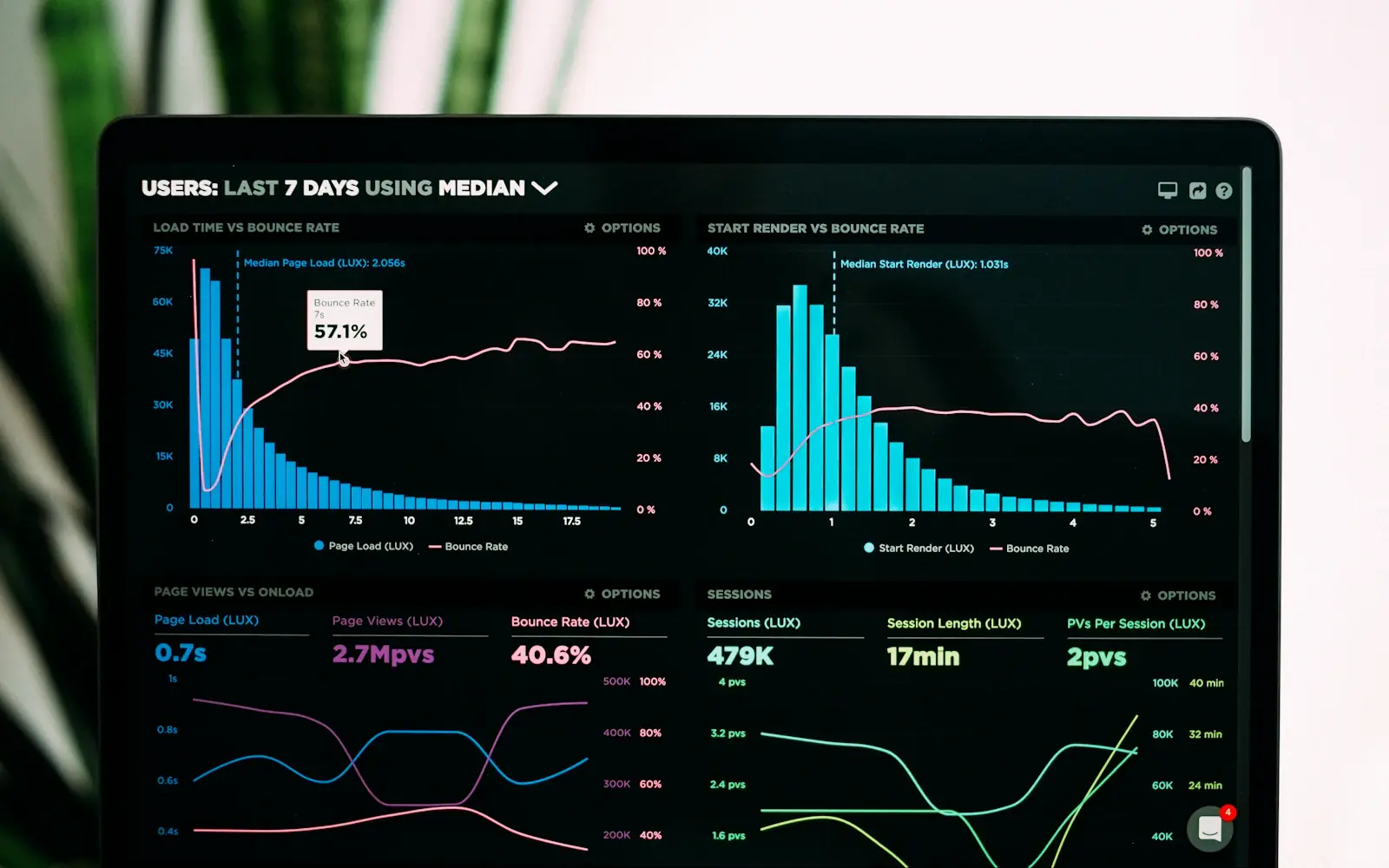
If you need leads this month, start with Google Ads, it buys visibility immediately and you can pause it the moment it isn't working. If you're building toward the next few years, start SEO now too, because it takes months to show results no matter when you begin, so delaying it only pushes that payoff further out. These aren't competing choices as much as they feel like one: most small businesses that can afford it should be running both, just with very different expectations for each.
What Google Ads actually gets you
- ▸Immediate placement at the top of search results, no waiting for Google to trust a new or improving page
- ▸Full control over exactly who sees your ad, by keyword, location, time of day, and device
- ▸You can pause, adjust, or kill a campaign instantly if it's not converting, with no sunk cost in the content itself
- ▸But every lead costs money for as long as you run it, there's no compounding asset left behind once you stop paying, and the landing page you send that traffic to matters as much as the ad itself
What SEO actually gets you
SEO builds a compounding asset: a page that ranks well keeps generating traffic without an ongoing per-click cost, and a well-maintained blog keeps adding new entry points over time rather than being a one-time build. The tradeoff is real patience, meaningful results take months, not days, and there's no way to buy your way past that timeline the way you can with Ads.
Real cost comparison at small-business budgets
Google Ads cost-per-click varies enormously by industry, from a couple of dollars in low-competition local niches to $50 or more for competitive legal or insurance terms, and that cost is ongoing for as long as the campaign runs. SEO is typically sold as a monthly retainer rather than per-click, and realistic pricing depends heavily on your market and current site condition. The core difference isn't which is cheaper month to month, it's that Ads spend stops producing the moment you stop paying, while SEO work keeps paying out well after you've moved on to other priorities.
When to run both at once
Ads make sense for immediate or seasonal demand, a launch, a sale, filling a slow month, while SEO builds in the background for the keywords and content that matter long term. Many businesses that invest consistently in both eventually scale back Ads spend on their own branded or core terms once organic rankings mature there, redirecting that budget toward competitive terms SEO hasn't reached yet.
The mistake: treating it as either/or forever
The businesses that get the worst return usually picked one channel permanently based on an early impression, Ads felt expensive so they quit after a month, or SEO felt slow so they gave up before it had time to compound. Budget for each based on what it's actually good at: Ads for speed and control, SEO for durability, and revisit the split quarterly as your results come in, not once and never again.
Don't stop SEO the moment Ads starts converting, and don't assume SEO alone can cover an urgent, immediate need. They solve different timelines, not the same one at different speeds.
There's no universal right answer, only the right split for your budget, your timeline, and how much patience you actually have for a channel that compounds instead of converting instantly. If you want an honest read on where your first dollar should go, tell us your situation and we'll recommend the mix that actually fits, not just the channel we'd rather sell.
More articles

E-commerce holiday readiness checklist: what to fix on your site before Black Friday.

Web design for law firms: what actually builds trust and converts visitors into consultations.

Web design for restaurants: the pages and features that actually drive reservations and orders.

Email vs. SMS marketing for small businesses: which channel actually gets opened in 2026.
PinexaDigital
Web design and SEO agency helping US businesses grow online. We write about web design, SEO, e-commerce, and digital growth for business owners who want honest, actionable information.
Keep reading
Related articles.
Landing pages vs. your homepage: when Google Ads spend actually needs a dedicated page.
Why sending paid traffic to your homepage quietly wastes ad spend, what message match actually means, and when a dedicated landing page is worth building.
July 22, 2026

5 contact form tweaks that double your leads.
Small changes to your contact form, fewer fields, better copy, strategic placement, can dramatically increase the number of inquiries you receive.
July 2, 2026
E-commerce holiday readiness checklist: what to fix on your site before Black Friday.
Most holiday traffic failures come from the same handful of preventable issues: slow checkout, broken mobile cart flows, and unclear shipping cutoffs. A pre-launch checklist that covers them.
October 1, 2026