Shopify for beauty and skincare brands: subscriptions, compliance, and the trust problem every DTC brand has.
What beauty and skincare Shopify stores need beyond a nice product photo: subscribe-and-save mechanics, honest claims that stay compliant, and the reviews infrastructure this category runs on.
PinexaDigital
August 24, 2026
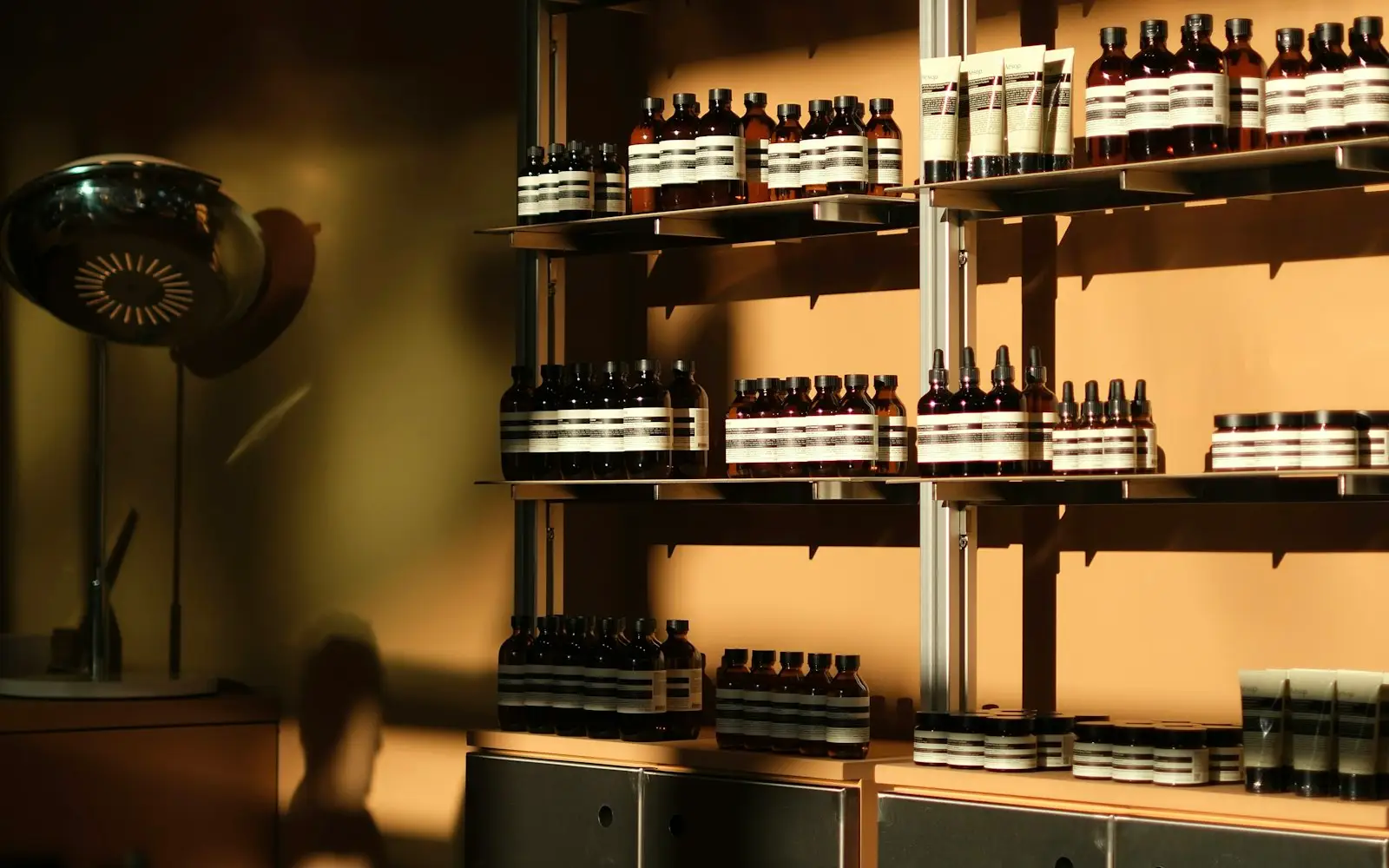
Skincare and beauty is one of the few product categories where the buyer is making a promise to their own face, and that raises the trust bar higher than almost any other Shopify vertical. A generic product page with a photo and a price doesn't answer the two questions a skincare buyer actually has: does this work, and is it safe for me specifically. Everything a beauty brand's store needs to do beyond the basics flows from answering those two questions honestly.
The repeat-purchase business model most beauty stores underbuild for
Skincare and beauty products get used up and repurchased on a predictable cycle, which makes this category unusually well-suited to subscription revenue, yet a lot of beauty stores launch with one-time purchase only and add subscriptions as an afterthought. A well-built subscribe-and-save option, even a simple one, turns a single sale into recurring revenue and meaningfully improves customer lifetime value, since it removes the friction of remembering to reorder a product that's genuinely running out.
What a beauty store needs beyond the default setup
- ▸Subscribe-and-save built into the product page itself, not a separate confusing flow, this is one of the highest-ROI features for a replenishable product category
- ▸Ingredient lists and honest, specific product descriptions, vague marketing language ("revolutionary formula") converts worse than plain language about what's actually in the product
- ▸A review system that supports photos, skincare buyers weigh visual reviews from real customers more heavily than almost any written claim a brand makes about itself
- ▸A skin-type or concern-based product finder quiz, this reduces the overwhelm of a large catalog and increases average order value through guided bundling
- ▸Clear claims that stay inside FTC and FDA cosmetic labeling guidelines, more on this below, since this is the category most likely to draw regulatory attention for overstated results
The compliance line every skincare brand needs to know
Cosmetic products are legally distinct from drugs, and claims that a product treats, cures, or prevents a medical condition (acne as a disease, for example, rather than "helps reduce the appearance of blemishes") can cross into drug-claim territory the FDA regulates separately, with real enforcement history against DTC beauty brands that got this wrong. Before/after photos are common and generally fine when honestly represented, but they should show typical, achievable results rather than best-case outliers, and claims should stay in the language of appearance and cosmetic effect rather than medical treatment. This isn't just a legal question, it's also a trust question: overstated claims are the fastest way to burn a first-time buyer who doesn't see the promised result.
Picking the right platform for a beauty brand specifically
Shopify's subscription apps and review integrations are mature enough that most beauty brands don't need custom development to get a proper subscribe-and-save flow running, which is a meaningful advantage over WooCommerce here, covered more generally in our Shopify vs. WooCommerce comparison. At meaningful subscription volume, the $105/month Shopify plan's better reporting and reduced transaction fees usually pay for the upgrade from Basic within the first few months of recurring revenue.
If you're planning to run a subscription model, build the subscription flow in from day one rather than bolting it on later. Migrating existing one-time customers onto a subscription plan after launch is meaningfully harder than starting with subscription as an option from the first sale.
What it realistically costs
A beauty store with subscription setup, a review system with photo support, and a product finder quiz fits our e-commerce build packages, with subscription and quiz functionality as the main scope variables. Tell us about your product line and whether you're planning to sell subscriptions, and we'll quote accordingly.
Common mistakes
- ▸Launching one-time purchase only and adding subscriptions as an afterthought once repeat-purchase revenue is already being left on the table
- ▸Vague, unspecific product claims that convert worse than honest, specific ingredient and result language
- ▸No photo reviews, missing the single most persuasive form of social proof this category has
- ▸Before/after content that overstates typical results, risking both regulatory attention and buyer trust once the product doesn't match the promise
Related Shopify builds we do
- ▸Fashion and apparel brands face a different core problem, variant complexity and returns instead of subscriptions and compliance
A beauty brand's store has to earn trust and repeat purchase behavior at the same time, and most of what separates a store that does that well from one that doesn't is invisible until you look at the subscription and review infrastructure underneath. If you want a store built around how skincare actually gets bought and rebought, tell us about your products and we'll scope it around your specific catalog and claims.
More articles

How Long Does SEO Take to Work? A Realistic Timeline for Small Businesses

Technical SEO Checklist: 15 Issues Quietly Capping Your Rankings

How Much Does SEO Cost for a Small Business in 2026? (Real Pricing Guide)

Web design for roofing companies: what actually turns storm leads into signed jobs.
PinexaDigital
Web design and SEO agency helping US businesses grow online. We write about web design, SEO, e-commerce, and digital growth for business owners who want honest, actionable information.
Keep reading
Related articles.
Web design for roofing companies: what actually turns storm leads into signed jobs.
Why a roofing company's website needs to work differently than most local business sites: instant estimate forms, storm-response readiness, financing CTAs, and beating lead-gen aggregators in the map pack.
August 24, 2026

Web design for locksmiths: how to look like the real business instead of the scam listing.
Why locksmith websites have to prove legitimacy in seconds, the fake-listing problem unique to this trade, and what actually builds trust with someone locked out right now.
August 24, 2026

Web design for HVAC companies: building a site that works in a heatwave and in the off-season.
Why HVAC websites have to serve two completely different buyers at once, emergency repair customers and maintenance-plan subscribers, and what each one needs to see.
August 24, 2026