Shopify for fashion and apparel brands: what a clothing store needs that a generic theme doesn't.
Why apparel stores need more than a pretty Shopify theme: real variant handling, return rate math, size guidance, and the checkout details that decide whether a sale actually sticks.
PinexaDigital
August 24, 2026
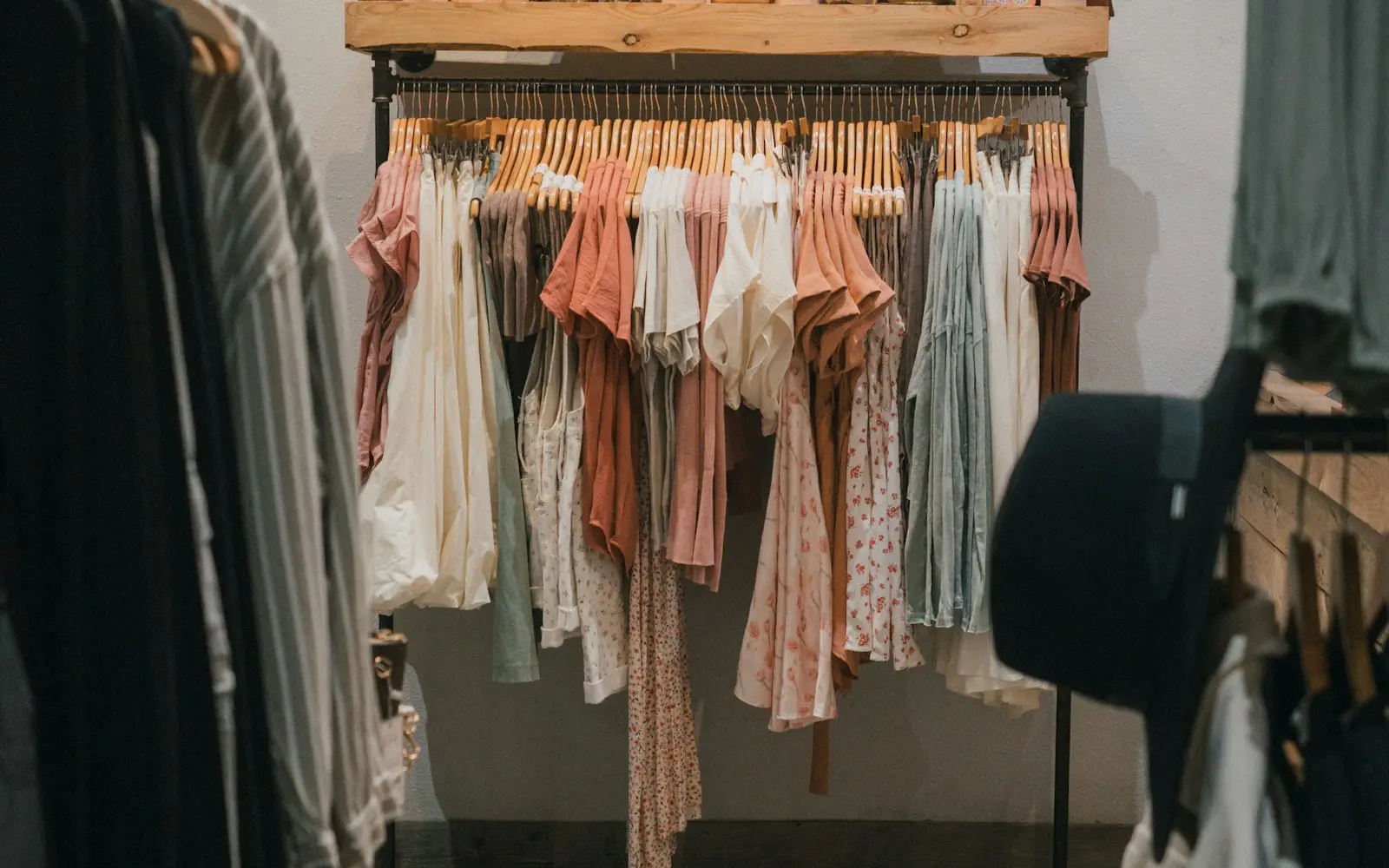
A clothing brand's biggest Shopify problem usually isn't the theme, it's everything underneath it: a size and color matrix that multiplies every product into a dozen variants, a return rate that runs several times higher than most other e-commerce categories, and a buyer who can't touch the fabric or try it on before deciding. A generic Shopify theme handles none of that on its own. It handles a product with one photo and one price, and apparel is rarely that simple.
The variant problem generic themes weren't built for
A single shirt in five colors and six sizes is thirty variants, each with its own inventory count, and a poorly configured store either oversells a size that's actually out of stock or hides one that's still available. This is the single most common technical issue we see in apparel stores built quickly on default settings: variant inventory that drifts out of sync with what's actually on the shelf, usually discovered only after a customer orders something that can't be fulfilled.
What an apparel store needs beyond the default setup
- ▸A real size guide, ideally with a fit quiz or measurement chart per product type, since sizing is the single biggest driver of apparel returns
- ▸High-quality variant images showing the actual garment in each color, not just a color swatch, generic swatches are one of the fastest ways to lose a buyer's confidence
- ▸Clear, upfront return and exchange policy near the add-to-cart button, not buried in a footer link, since return anxiety is a real purchase blocker in this category
- ▸Bundle and "complete the look" merchandising, apparel buyers respond well to being shown what pairs with what
- ▸Fast, image-heavy pages that still load quickly, page speed matters even more for a browsing-heavy category where a slow product grid loses buyers before they've seen anything
- ▸Abandoned cart recovery tuned for apparel's longer browsing habit, clothing shoppers routinely browse across multiple sessions before buying
The return rate math every apparel brand needs to plan around
Apparel return rates routinely run well above the average for e-commerce generally, often a quarter or more of orders depending on category, size-sensitive items like denim and formal wear tend to run higher, basics and accessories lower. This isn't a flaw to hide, it's a cost to design around: a clear size guide and honest product photography reduce returns caused by mismatched expectations, while a return process that's actually easy to use protects the loyalty of buyers who do send something back. Making returns harder rarely reduces the return rate, it mostly reduces repeat purchases from customers who had a bad experience getting their money back.
Picking the right platform for a clothing brand specifically
For most apparel brands, Shopify's variant handling, checkout experience, and app ecosystem for sizing and reviews make it the more practical starting platform, covered in more detail in our full Shopify vs. WooCommerce comparison. The Shopify plan tier matters here too: the $39/month Basic plan is fine at low order volume, but brands running frequent promotions or wanting deeper reporting often outgrow it into the $105/month Shopify plan faster than other product categories, since apparel's return and exchange volume benefits from the better order management at that tier.
If your catalog is genuinely simple, a handful of products, no complex sizing, a lighter setup is fine and you shouldn't overbuild it. The features above earn their cost once you're managing real variant complexity and real return volume, not before.
What it realistically costs
A properly configured apparel store, size guide, variant photography setup, return flow, and merchandising, fits our e-commerce build packages, with the exact scope depending on catalog size. Tell us about your product range and we'll quote based on your actual variant count, not a generic per-product estimate that ignores how much heavier apparel setup really is.
Common mistakes
- ▸Launching with generic color swatches instead of real photos of the garment in each color
- ▸No size guide, or one buried on a separate page instead of linked directly from the product page
- ▸Inventory tracked loosely across variants, leading to overselling sizes that are actually gone
- ▸A returns policy hidden in the footer instead of stated plainly where a hesitant buyer is deciding
Related Shopify builds we do
- ▸Beauty and skincare brands face a different set of problems, subscriptions and compliance instead of sizing and returns
Apparel is one of the categories where the underlying setup matters more than the theme on top of it. If you want a store built around your actual variant count and return process instead of a generic template, tell us what you're selling and we'll scope it properly from the start.
More articles

How Long Does SEO Take to Work? A Realistic Timeline for Small Businesses

Technical SEO Checklist: 15 Issues Quietly Capping Your Rankings

How Much Does SEO Cost for a Small Business in 2026? (Real Pricing Guide)

Web design for roofing companies: what actually turns storm leads into signed jobs.
PinexaDigital
Web design and SEO agency helping US businesses grow online. We write about web design, SEO, e-commerce, and digital growth for business owners who want honest, actionable information.
Keep reading
Related articles.
Web design for roofing companies: what actually turns storm leads into signed jobs.
Why a roofing company's website needs to work differently than most local business sites: instant estimate forms, storm-response readiness, financing CTAs, and beating lead-gen aggregators in the map pack.
August 24, 2026

Web design for locksmiths: how to look like the real business instead of the scam listing.
Why locksmith websites have to prove legitimacy in seconds, the fake-listing problem unique to this trade, and what actually builds trust with someone locked out right now.
August 24, 2026

Web design for HVAC companies: building a site that works in a heatwave and in the off-season.
Why HVAC websites have to serve two completely different buyers at once, emergency repair customers and maintenance-plan subscribers, and what each one needs to see.
August 24, 2026