Web design for med spas and dental practices: winning a decision nobody makes in a hurry.
Why med spa and dental websites need a completely different playbook than the emergency trades: real before/after galleries, provider credentials, online booking, and content that builds trust over weeks, not minutes.
PinexaDigital
August 24, 2026
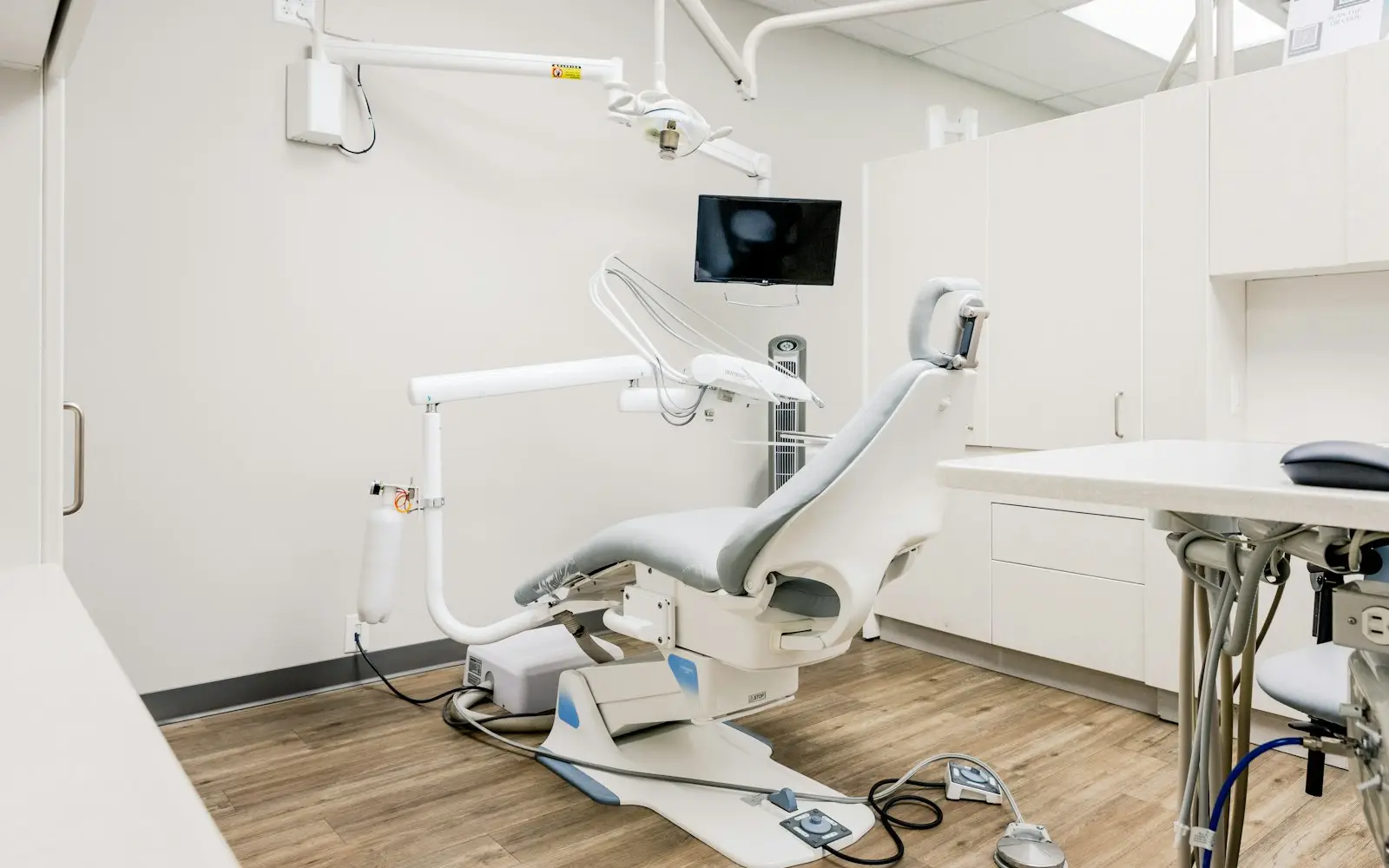
Nobody lands on a med spa or dental practice website in a panic. That's the single biggest difference between this category and the emergency trades: a visitor researching a smile makeover or a Botox provider is comparing options over days or weeks, reading reviews, checking before/after photos, and looking for reasons to trust a provider with something personal. A site built with the same urgency-driven playbook as a roofer or a plumber misses the entire point of how this decision actually gets made.
A completely different sales cycle than the emergency trades
Where a roofing or plumbing site has seconds to earn a call, a med spa or dental site has an ongoing job: keep building trust across multiple visits before someone books a consultation. That changes what "above the fold" should even mean. Instead of a single urgent CTA, the priority is credibility, real results, real credentials, and a low-friction way to take the next small step, usually a consultation booking, not an immediate purchase decision.
What actually converts: results and credentials, not urgency
- ▸A real before/after gallery, with patient consent, organized by procedure, this is the single highest-trust element on a site in this category
- ▸Provider bios with real credentials, board certifications, and years of experience displayed prominently, not buried on a separate About page
- ▸Online booking integrated directly into the site, not just a phone number, this audience researches at 11pm and wants to reserve a slot without waiting for a callback
- ▸Membership or package pricing for recurring treatments, clearly explained, since a lot of med spa revenue is repeat business
- ▸Financing messaging for elective procedures (CareCredit or similar), cost is often the real hesitation behind an otherwise-ready patient
- ▸Social proof beyond written reviews, an embedded Instagram feed or recent-work gallery matters more here than in almost any other local category
Accessibility and compliance aren't optional in this category
Healthcare-adjacent sites, dental practices especially, are a common target for ADA web accessibility demand letters, and the reputational cost of an inaccessible site is higher for a medical or dental provider than for most local businesses. Clean semantic structure, real alt text, and full keyboard navigation aren't just legal risk reduction here, they're part of the same trust signal everything else on the page is trying to build.
Content marketing actually pays off here
This is exactly the kind of business our own guide to blogging ROI points to as a good fit: a real consideration period where someone researches before deciding. A dental practice publishing genuinely useful content about a procedure, recovery timelines, or what to expect at a first visit builds the same trust a good in-person consultation does, and it keeps earning new visits long after a roofer's storm-response page has gone quiet for the season.
If you do one thing differently than the emergency trades on this list, make it this: slow the page down. A rushed, urgency-driven layout reads as a red flag, not a strength, when someone's deciding who gets to work on their smile or their skin.
What it realistically costs
A med spa or dental site with a real before/after gallery, provider bios, integrated booking, and accessibility work built in typically fits our Growth package ($499, up to 12 pages) or above depending on the booking system's complexity, see the full pricing breakdown for how that compares across build options. Booking-system integrations and a content calendar are the two most common add-ons for this category.
Common mistakes
- ▸Stock photography instead of real before/after results, the fastest way to look generic in a category built on visible outcomes
- ▸A phone-only contact path with no online booking, losing the after-hours researcher who was ready to commit
- ▸Provider credentials buried instead of front and center, when they're often the deciding factor between two similar-looking practices
- ▸An urgency-driven layout copied from a home-services template, which reads as pushy in a category where nobody's in a hurry
Related industries we build for
- ▸Roofing, plumbing, HVAC, and locksmith sites, for contrast, all run on the opposite playbook: urgency-first, decide-in-seconds design
A med spa or dental website's job is to be the most trustworthy option across a multi-week decision, not the fastest answer in an emergency. If you want a site built around real results and real credentials instead of a borrowed home-services template, tell us about your practice and we'll scope it around how your patients actually decide.
More articles

How Long Does SEO Take to Work? A Realistic Timeline for Small Businesses

Technical SEO Checklist: 15 Issues Quietly Capping Your Rankings

How Much Does SEO Cost for a Small Business in 2026? (Real Pricing Guide)

Web design for roofing companies: what actually turns storm leads into signed jobs.
PinexaDigital
Web design and SEO agency helping US businesses grow online. We write about web design, SEO, e-commerce, and digital growth for business owners who want honest, actionable information.
Keep reading
Related articles.
Web design for roofing companies: what actually turns storm leads into signed jobs.
Why a roofing company's website needs to work differently than most local business sites: instant estimate forms, storm-response readiness, financing CTAs, and beating lead-gen aggregators in the map pack.
August 24, 2026

Web design for locksmiths: how to look like the real business instead of the scam listing.
Why locksmith websites have to prove legitimacy in seconds, the fake-listing problem unique to this trade, and what actually builds trust with someone locked out right now.
August 24, 2026
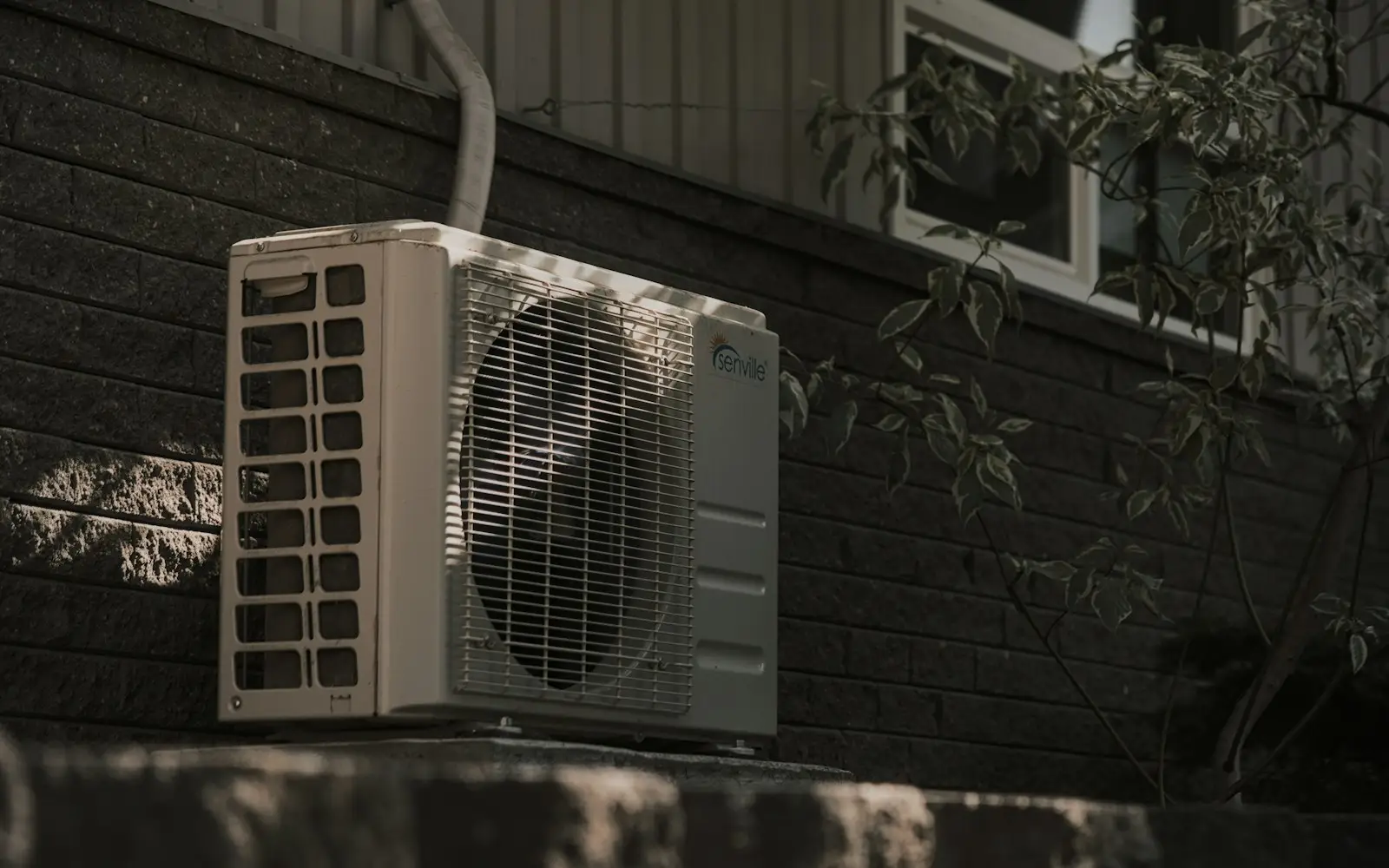
Web design for HVAC companies: building a site that works in a heatwave and in the off-season.
Why HVAC websites have to serve two completely different buyers at once, emergency repair customers and maintenance-plan subscribers, and what each one needs to see.
August 24, 2026